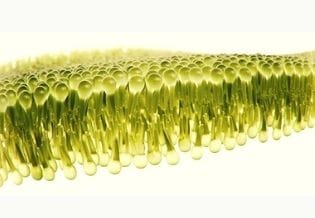
Lipid Science from Molecular Discovery to Clinical and Population Impact
International Journal of Lipids (IJL) publishes rigorous research across the full spectrum of lipid science—spanning lipid biochemistry, membrane biology, lipidomics, lipoprotein biology, and systems lipid metabolism, as well as translational, clinical, and population studies where lipid measurement and interpretation are central. We welcome studies that connect lipid pathways and profiles to cardiometabolic and metabolic health, including clinical endpoints, real-world evidence, and intervention studies when the lipid contribution is robust and methodologically strong.
Core Research Domains
IJL prioritizes research that advances lipid science across fundamental, translational, clinical, and population settings. These domains represent our primary editorial focus.
Lipid Structure, Biosynthesis & Enzymology
- Fatty acid, sterol/steroid, phospholipid, sphingolipid, and glycerolipid pathways
- Enzyme structure–function, regulation, and pathway flux
Lipid Metabolism, Homeostasis & Organelle Biology
- Lipid catabolism, oxidative modifications, lipid droplets, trafficking, and storage
- Transcriptional/post-translational regulation and metabolic adaptation
Membrane Biology & Lipid–Protein Interactions
- Membrane organization, lipid domains/rafts, curvature, and protein interactions
- Biophysical and computational studies with clear biological relevance
Lipid Signaling, Immunometabolism & Inflammation
- Bioactive lipids (eicosanoids, sphingolipids, endocannabinoids, phosphoinositides)
- Lipid-driven inflammatory signaling and immune–metabolic crosstalk
Lipidomics, Multi-omics & Computational Lipid Science
- MS-based lipidomics, spatial lipidomics, method validation, QC/normalization
- Integrated lipidomics + metabolomics/proteomics/genomics; pipelines and tools
- Biomarker discovery is welcome when analytically rigorous and clinically interpretable
Translational, Clinical & Population Lipidology
- Dyslipidemia, NAFLD/NASH, diabetes, obesity, CVD, atherosclerosis, endocrine/metabolic disorders
- Studies linking lipid profiles to clinical outcomes, real-world evidence, prevention, and therapy
- Nutrition/lifestyle interventions and population lipid determinants with robust lipid measurement
Lipid Biotechnology
- Engineered lipid biosynthesis pathways
- Microbial lipid production systems
- Enzyme engineering for lipid synthesis
- Synthetic biology approaches to lipid metabolism
- Biocatalysis in lipid modification
Lipid Transport & Trafficking
- Lipoprotein structure and assembly mechanisms
- Intracellular lipid transport proteins
- Vesicular lipid trafficking pathways
- Lipid transfer protein mechanisms
- Membrane contact sites and lipid exchange
Emerging Research Areas
Selective Consideration New Frontiers
We selectively consider manuscripts in emerging areas that demonstrate strong methodological rigor and clear lipid-centered contribution. These submissions undergo additional editorial review to ensure alignment with the journal’s scope.
Computational Lipid Biology
- Machine learning for lipid structure prediction
- AI-driven lipidomics data analysis
- Computational modeling of lipid-protein interactions
- Network analysis of lipid metabolism pathways
Specialized Lipid Classes
- Saccharolipid biosynthesis and function
- Isoprenoid lipid metabolism
- Carotenoid biosynthetic pathways
- Lipid-soluble vitamin molecular mechanisms
Article Types & Editorial Priorities
Expedited Review
- Original Research Articles
- Systematic Reviews & Meta-Analyses
- Review Articles & Literature Reviews
- Mini-Reviews
- Methods & Protocols
- Resource Articles (Databases & Tools)
Regular Review
- Short Communications & Rapid Communications
- Technical Notes
- Data Notes
- Perspectives & Commentaries
- Opinion Pieces
- Editorials
- Letters to the Editor
- Conference Proceedings & Meeting Reports
- Book Reviews
- Case Reports & Case Series
- Clinical Trials
- Theses & Dissertations
Editorial Standards & Requirements
Reporting Guidelines
All manuscripts must adhere to discipline-specific reporting standards:
- ARRIVE 2.0: Animal research
- MIQE: qPCR experiments
- MIAME: Microarray data
- STROBE: Observational studies
- PRISMA: Systematic reviews
Data Transparency
We require open access to research data and materials:
- Raw data deposition in public repositories
- Lipidomics data in LIPID MAPS or MetaboLights
- Protein structures in PDB
- Gene sequences in GenBank/EMBL
- Code availability for computational studies
Ethics & Integrity
Strict adherence to research ethics standards:
- Institutional review board approval (human samples)
- Animal care committee approval (animal studies)
- Informed consent documentation
- Conflict of interest disclosure
- Adherence to Singapore Statement on Research Integrity
Preprint Policy
We support preprint sharing and transparent science:
- Preprints allowed on bioRxiv, ChemRxiv, arXiv
- Must disclose preprint DOI at submission
- Preprint does not affect consideration
- Authors retain copyright of preprints
- Final version must acknowledge journal publication
Publication Metrics
Ready to Submit?
If your work advances lipid science—from molecular mechanisms to clinical and population impact—through rigorous lipid measurement, analysis, and interpretation, we invite your submission. For scope inquiries, contact our editorial office before submission.
Contact Editorial OfficeEditor in chief